
Crew Positions
The size of your crew can vary based on the number of students in your class. Below are crew positions and their responsibilities:
Reporter: The reporter, or talent, will be on camera, delivering stand-ups and asking interview questions. They will have the script with them and play a leading role in guiding the team.
Camera Operator: This student will operate the camera and handle it during the shoot. They must be familiar with the camera and able to set it up quickly (see Figure xx).
Camera Assistant: Also known as the 'AC,' this crew member will carry the tripod, light, and any other equipment the camera operator needs for the shoot. They may also be responsible for carrying the microphone and cable.
Production Assistant(s): Responsibilities include carrying additional equipment, keeping the script handy, and managing the crowd to prevent interruptions during shots.
Editor: Once all the footage is filmed, the editor will assemble the footage, combining stand-ups, the best B-roll, and interviews into a finished piece.
Prepping Equipment
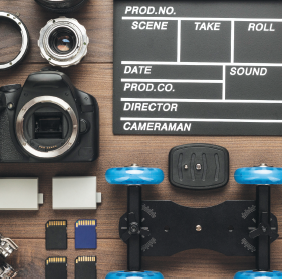
The crew will need a camera, tripod, headphones, handheld microphone, and an audio cable. For an event at night, the crew may need a small battery-powered light to place on top of the camera. Since the crew will be taking the equipment outside the classroom, it is important to ensure that nothing is damaged. Video production equipment is expensive and hard to replace, so every piece of equipment should have a hard case or protective bag for transportation to the shoot location. Each crew member must be responsible for their equipment and learn how it works. Keep the owner's manual for each piece of equipment handy for students to reference. The crew will also need a computer for editing the footage.
Testing all the equipment in advance before any shoot is crucial. A practice shoot is the best way to ensure the field report goes smoothly. During this practice, the reporter can interview a crew member, who can role-play as someone who will be interviewed at the event. This allows the reporter to work on their camera presence. The camera operator can practice recording these interviews and play them back on the camera to adjust the framing and sound quality. Then, the camera operator can provide the footage to the editor, who can test it on the editing software to ensure compatibility. The entire crew can watch the practice interview and offer positive and constructive criticism to improve their skills.
Students should inform the organizers of the event in advance about the field report and provide them with a copy of the script. This ensures that everyone is aware of the plan, and interview questions are shared in advance.
Once the field report is scheduled, if the location is nearby, it's a good idea to have the crew scout the location before the event. This allows them to plan suitable places for stand-ups and vantage points for capturing the best B-roll. Good preparation will contribute to a smooth shooting process. In the next section, we will review best practices for shooting the event.