
Almost every moment of the newscast will depend on your cameras, and before we begin, it is important that your cameras accurately capture light and color. Most HD video cameras and camcorders will have the ability to manually set white balance. If a shot looks unnaturally orange or blue, the white balance is not set properly.
White Balance – White balance basically means color balance. It is a camera control function that provides the camera a reference to “true white”. It sends information to the camera about what the color white looks like, so the camera will render it correctly. Since white light is the sum of all other colors, the camera will then display all colors correctly based on the white color it calibrates with. Incorrect white balance will show up with orange or blue tints with unnatural skin tones. Every source of white light emits a different mix of colors. Normal household (tungsten) bulbs are strongest in orange color, while mid-day sunlight will be more blue, and fluorescent lamps cast green light.

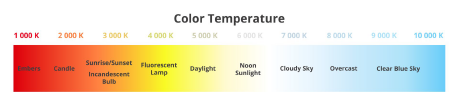
Light is measured in units called “Kelvin” temperature. Camera light balance controls will vary from camera to camera. Most will allow you to achieve “white balance” by rotating or moving a switch to the indicated type of light you are using.
Kelvin temperature is a method of measuring color temperature for your camera.
- 3200K = Tungsten/Orange
- 5600-6500K = Daylight/White
Daylight is white to the human eye, and tungsten is orange; however, you can manually white balance your video camera for more accuracy. This is simple to do. Just hold a blank white piece of paper in front of your video camera after you have adjusted the lighting of your scene. Press the appropriate button, which depends on your camcorder, and the video camera begins analyzing the light coming into the lens. If the light is reddish, for example, the camera will reduce the red signal until it achieves an equal color balance. The whole process takes just a few seconds and delivers the most accurate color of any of the white balance methods.
It is important to set white balance on all the cameras in your production. Make sure to match the white balance of your cameras, so that when you switch from one camera to the next, in a multi-camera production, the color temperature will be the same.
Now that you understand why white balancing is important, it’s time to move on to the next section and learn how to set up and operate the PTC-145 PTZ camera.