
Course category
About the course
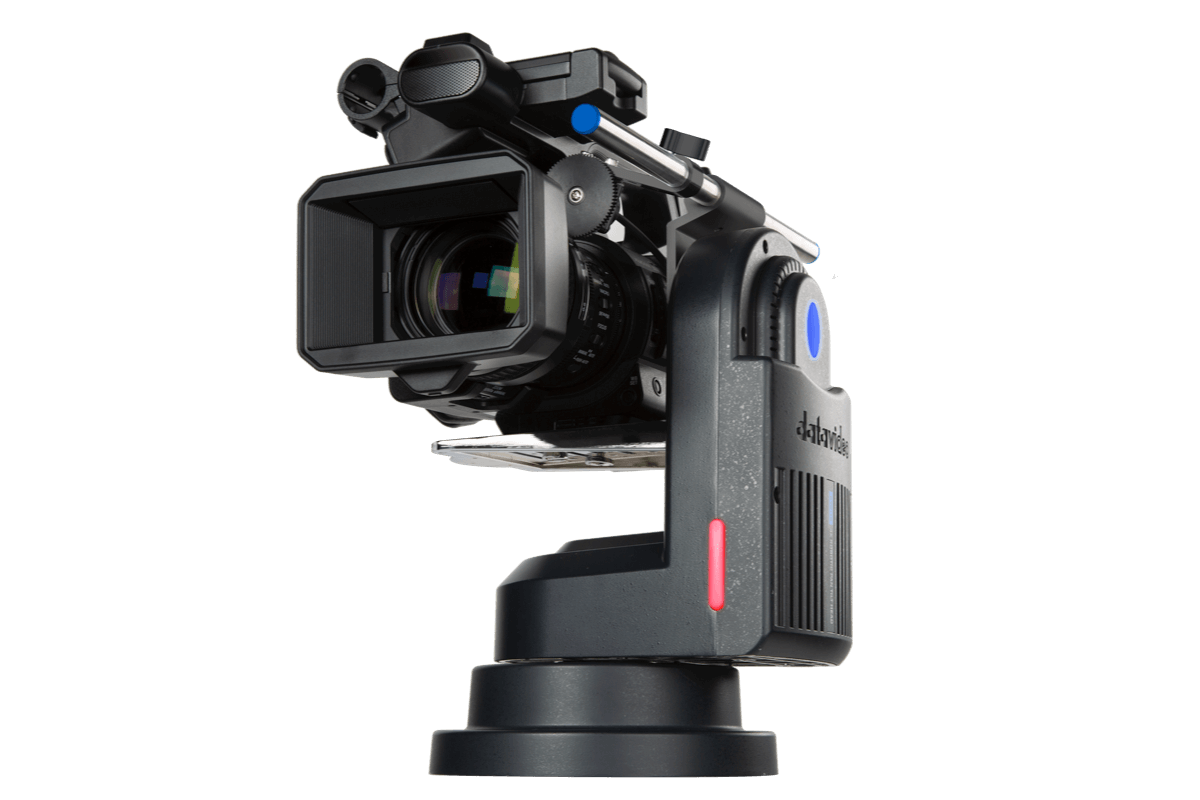
Robotic Precision, Elevated Vision: Discover PTR-15 4K Robotic Pan-Tilt head
Datavideo's latest release, PTR-15, a 4K 12G-SDI robotic pan tilt head with FreeD functionality.
It employs an efficient driving system to achieve smooth and precise robotic pan and tilt movements. It can be paired with most models of broadcast-grade cameras available in the market, enabling remote control of camera parameters such as pan, tilt, zoom, and aperture.
The PTR-15 comes equipped with the built-in FreeD virtual tracking feature, which utilizes computer vision sensor technology to recognize and track the position and movements of the subject being filmed.
The PTR-15 can be controlled using an IR controller, VISCA protocol controller, Datavideo RMC-180 MARK II camera controller, RMC- 300A universal remote control panel, and is compatible with both serial and Ethernet (DVIP) connections.
Versatile Signal Connectivity
The PTR-15 boasts an extensive range of signal interfaces for seamless integration with the remote head.
These interfaces encompass SDI, HDMI, RS-232, RS-422, DVIP, Tally, and LANC, providing diverse connectivity options.
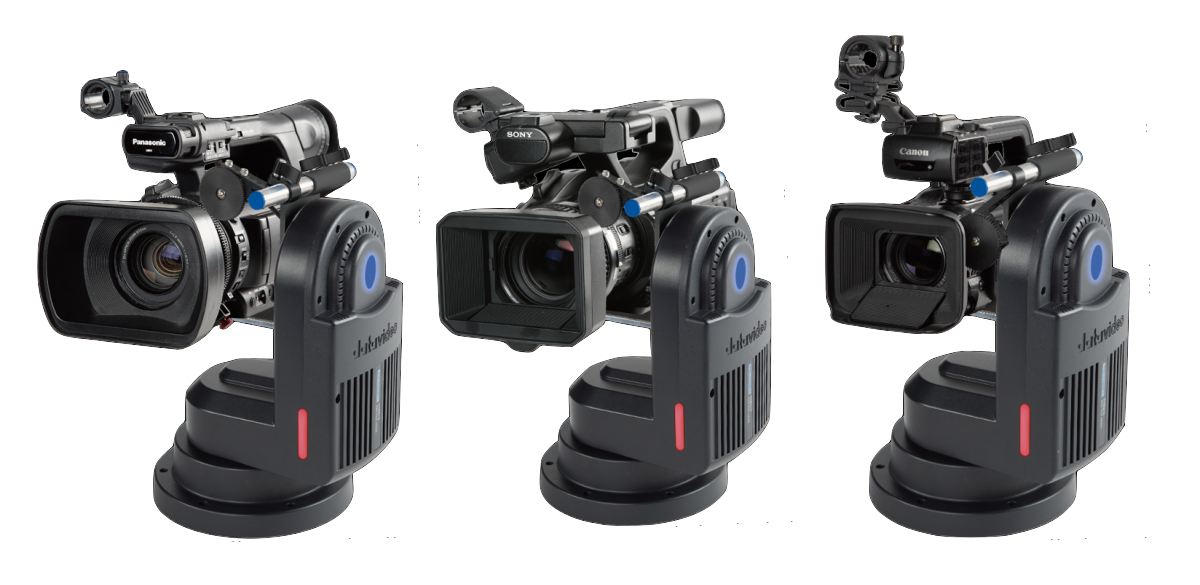
Wide Range of Compatible Cameras Supported
Benefit from PTR-15's LanC control, which seamlessly integrates with a diverse selection of professional video camcorders. This compatibility empowers you to choose the optimal camcorders that align with your specific requirements.
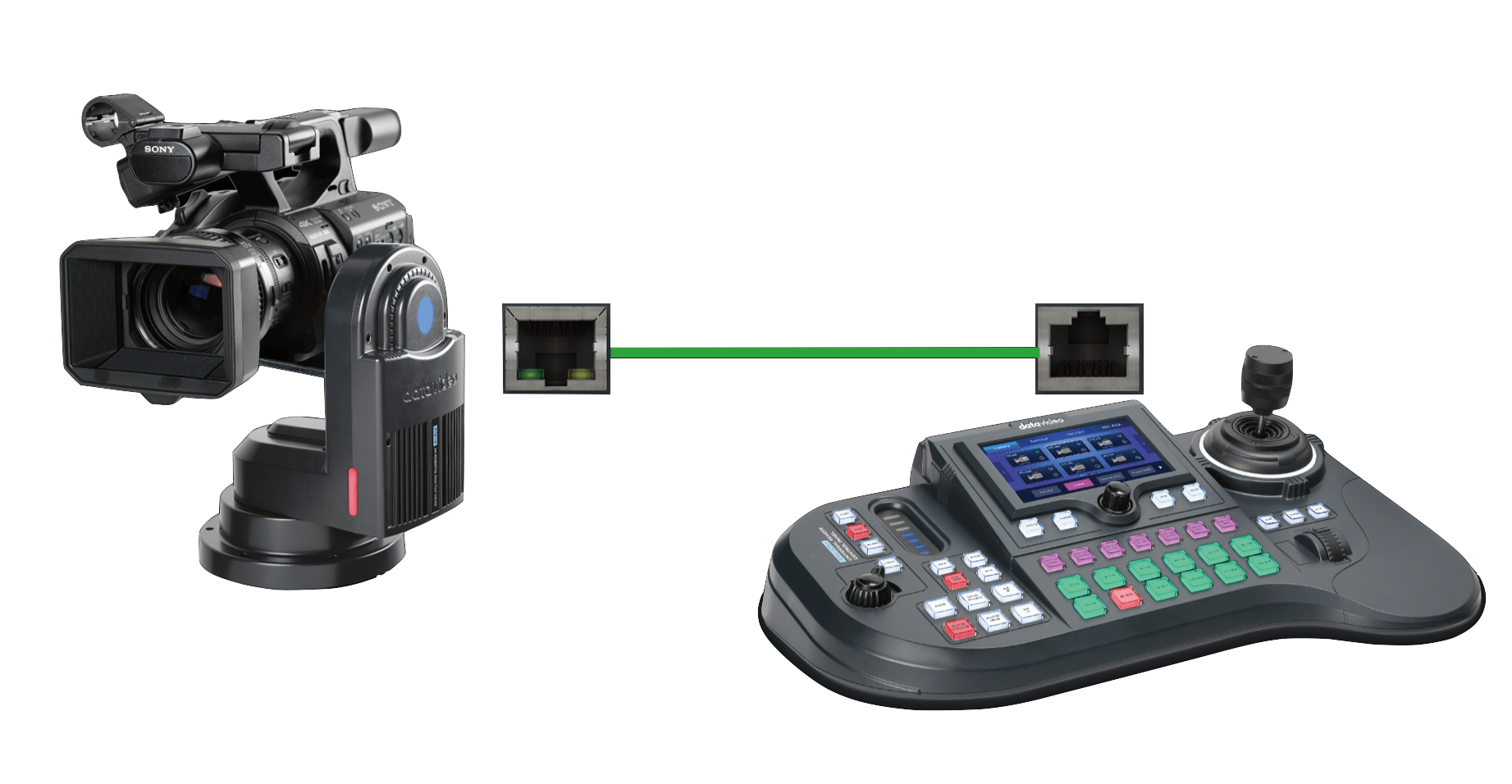
Comprehensive IP Control
In addition to the standard RS-232/422 control, the PTR-15 provides robust IP-based control, keeping up with the modern trend of IP-based systems. This technology migrates the camera control protocols and technical parameter adjustments used in high-end broadcast studios to an open IP environment. This transformation breaks away from the previous limitations of exclusive one-to-one control, enabling the free switching of different cameras.
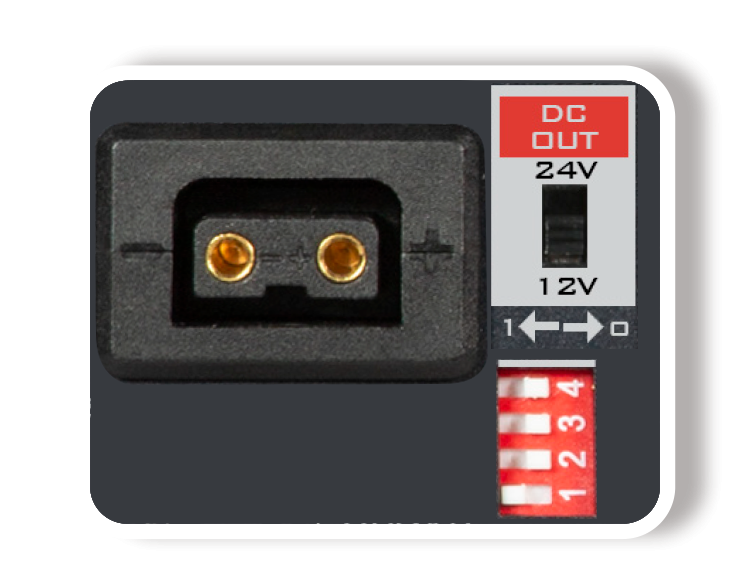
Dual Voltage Output: 12V/24V Compatibility
To accommodate the diverse range of camera power specifications, the PTR-15 provides dual-voltage power outputs. This feature easily adapts to the majority of business and professional-grade cameras available on the market. Through a toggle switch on the rear panel, you can switch between power output specifications, ensuring stable power supply. The design includes surge protection circuits for enhanced safety during use.
Dual 12G-SDI and HDMI 2.0 Interfaces
The robust and stable nature of SDI interfaces makes them highly suitable for broadcast environments, while HDMI offers high compatibility with peripheral devices. The PTR-15 fully supports both 12G-SDI and HDMI 2.0 standards for broadcast and AV applications. Whether you require SDI or HDMI connections, it provides a complete 4K50/60P audiovisual transmission channel.
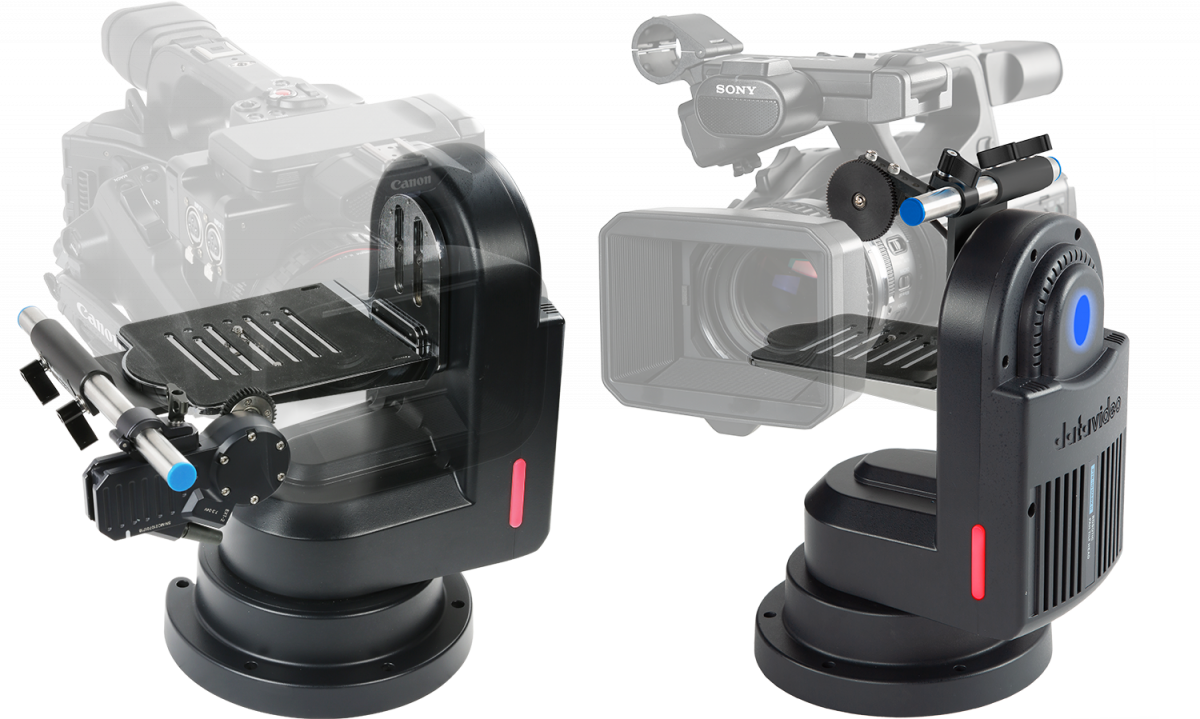
Optional Accessories: ZEK-1 Zoom Encoder Kit
ZEK-1 is the solution to your free running Zoom cameras.
PTR-15 can read its own Pan/Tilt movement and send back to controller for position memory and recall. Now, with ZEK-1, it can detect and read out the Zoom changes. And convert those information into Zoom position to send back for controller to memory and recall the saved zoom position.
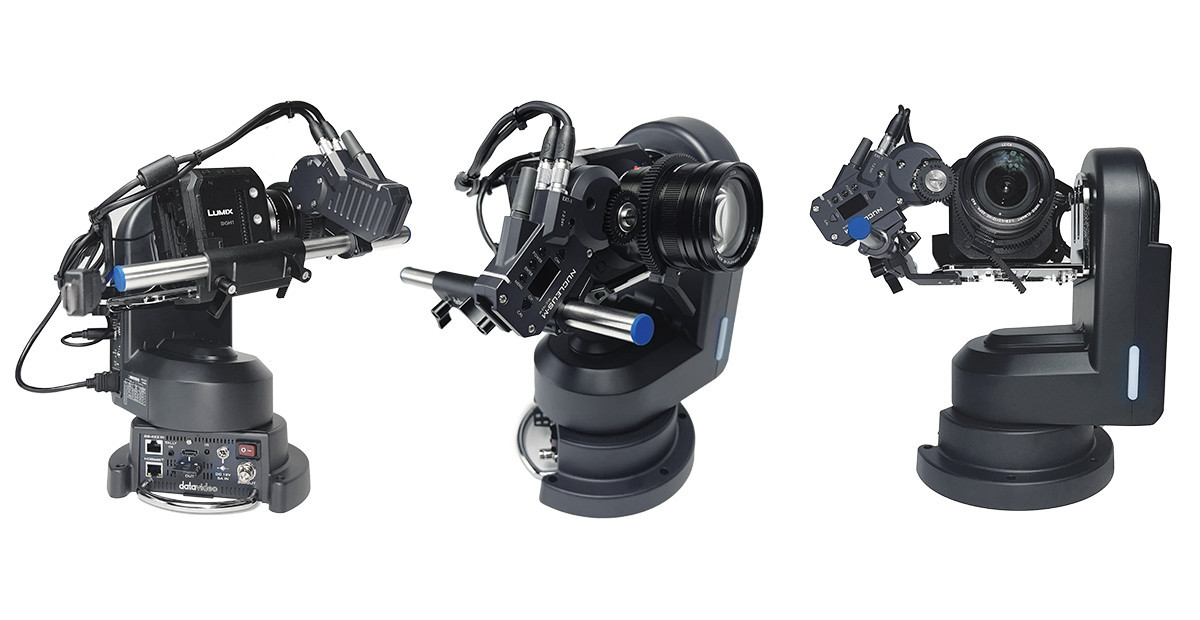
Optional Accessories: ZEK-2 Zoom Encoder Kit, a Robotic Cinema Camera Solution
ZEK-2 Zoom Encoder Kit is a mechanical device that allows you to mount the Tilta Nucleus-M motor which adds automatic zoom positioning to the Panasonic Lumix BGH-1 camcorder mounted on the PTR-15 4K Robotic Pan Tilt Head.
Datavideo PTR-15 x Blackmagic PYXIS Integration
Transform your Blackmagic PYXIS into a fully robotic PTZ system with the Datavideo PTR-15. Designed for professional production environments, the PTR-15 supports cameras up to 9 lbs and offers remote control of pan, tilt, iris, and more—bringing dynamic movement and flexibility to your fixed camera setup.
- Fully compatible with PYXIS via 12G-SDI for pristine 4K video output
- Remote pan, tilt, and iris control using Datavideo or Skaarhoj controllers
- Supports DVIP (Ethernet), RS-422/232, and VISCA protocol for flexible system integration
- Optional MFT-3 Kit enables servo zoom on manual lenses using the Tilta Nucleus-M motor—turning your
- PYXIS into a full robotic PTZ solution
No need to swap out your PYXIS—just add the PTR-15 for precise, remote-controlled motion and production-grade flexibility. Ideal for studios, lecture capture, worship, or any multi-cam broadcast setup.
What you will learn
1. Hardware Interface & Connectivity: Identifying the functions of the upper and lower panel—the upper panel for camera mounting/control and the lower panel for controller/switcher. This includes mastering video I/O (12G-SDI, HDMI), control ports (RS-232/422, Remote port, LAN), and power distribution.
2. Compatibility & Assembly: How to verify camera compatibility using official resources and how to integrate ZEK-1/ZEK-2 expansion kits for motorized zoom control.
3. System Menu Configuration: Including Camera Interconnectivity (Set Camera), Motor Torque and Limit settings (Set Motor), Presets and Auto-Cruising (Memory), and Communication Protocols (Remote Control/DVIP/RS422).
4. Power Management & Safety: Understanding the safety protocols for dual-stage unlocking of 24V high-voltage power output to ensure camera safety.
Background knowledge, skills and tools needed for this course
1. Basic Broadcast Engineering Knowledge: Knowing differences between SDI and HDMI signals, and the concept of bandwidth (e.g., 12G vs. 3G-SDI). Note that the PTR-15 does not act as a signal converter.
2. Control Protocol Familiarity: Basic knowledge of professional camera control protocols such as VISCA, DVIP, and LANC.
3. Networking Basics: Knowledge of IP addressing, DHCP vs. Static IP, and the ability to configure basic router connections for network-based control.
Who is suitable for this course
1. Broadcast/Live Streaming System Integrators (SI): Engineers responsible for on-site equipment planning, wiring, and cross-brand camera calibration.
2. EFP (Electronic Field Production) Technical Directors: Professionals looking to utilize robotic heads for automated cruising or remote multi-camera operations.
3. Virtual Studio Technicians: Those requiring precise camera tracking data (Pan, Tilt, Zoom coordinates) for AR/VR/XR production environments.
4. AV Equipment Managers: Personnel at educational institutions or corporate offices responsible for maintaining equipment and providing basic troubleshooting support.
Standard to pass this course
- Course completion 100%